July 27, 2011
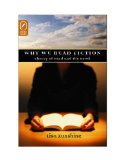
Why We Read Fiction: Theory of Mind and the Novel by Lisa Zunshine (2006) doesn’t appear to be part of the soon-ending “Big Deal” kindle book sale, but currently has a digital list price of $1.99. (Compare to Amazon’s price of $20.67 for the paperback edition.)
(amazon.co.uk – £1.43 on kindle)
Product description from the publisher:
Why We Read Fiction offers a lucid overview of the most exciting area of research in contemporary cognitive psychology known as “Theory of Mind” and discusses its implications for literary studies. It covers a broad range of fictional narratives, from Richardson’s Clarissa, Dostoyevski’s Crime and Punishment, and Austen’s Pride and Prejudice to Woolf’s Mrs. Dalloway, Nabokov’s Lolita, and Hammett’s The Maltese Falcon. Zunshine’s surprising new interpretations of well-known literary texts and popular cultural representations constantly prod her readers to rethink their own interest in fictional narrative. Written for a general audience, this study provides a jargon-free introduction to the rapidly growing interdisciplinary field known as cognitive approaches to literature and culture.
See also: Author’s homepage
Comments (0)
- fiction,psychology
July 26, 2011
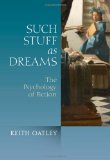
Such Stuff as Dreams: The Psychology of Fiction by Keith Oatley (Wiley 2011)
(kindle ed.), (amazon.co.uk)
Product description from the publisher:
Such Stuff as Dreams: The Psychology of Fiction explores how fiction works in the brains and imagination of both readers and writers.
Demonstrates how reading fiction can contribute to a greater understanding of, and the ability to change, ourselves
Informed by the latest psychological research which focuses on, for example, how identification with fictional characters occurs, and how literature can improve social abilities
Explores traditional aspects of fiction, including character, plot, setting, and theme, as well as a number of classic techniques, such as metaphor, metonymy, defamiliarization, and cues
Includes extensive end-notes, which ground the work in psychological studies
Features excerpts from fiction which are discussed throughout the text, including works by William Shakespeare, Jane Austen, Kate Chopin, Anton Chekhov, James Baldwin, and others
From the back cover:
When we read fiction, we mentally create events and scenes from the words offered on the page by the author. Why is this such a pleasurable experience?
Such Stuff as Dreams: The Psychology of Fiction explores how fiction works in the brains and imagination of both readers and writers. Drawing on an idea originally developed by a variety of historical literary figures including William Shakespeare, in this ground–breaking work Oatley richly illustrates how fiction is not simply a slice of life, pure entertainment, or an escape from everyday reality. While it does indeed incorporate many of these elements, at its core fiction represents a guided dream, a model that readers construct in collaboration with the writer. This waking dream not only enables us to see ourselves and others more clearly, but offers us revealing glimpses beneath the surface of the everyday world.
The book considers topics such as fiction’s ability to create vividly emotive experiences; issues of empathy and identification; creativity and externalizations of the mind utilized by writers of prose fiction; and the various effects of fiction on individual readers. Throughout the book, excerpts from fiction are also featured and discussed, including works by William Shakespeare, Jane Austen, Kate Chopin, Anton Chekhov, and James Baldwin. Informed by deep scholarly rigor, Such Stuff as Dreams is an illuminating and thought–provoking analysis of the transformative power of fiction to enter and engage the mind into revealing profound insights about ourselves and those around us.
See also: New Scientist review, Author’s Psychology Today blog
Comments (0)
- fiction,new books,psychology,reading
July 23, 2011
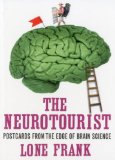
The Neurotourist: Postcards from the Edge of Brain Science by Lone Frank (Oneworld, 2011)
(amazon.co.uk)
Product description from the publisher:
Acclaimed journalist and intrepid brain “explorer” Lone Frank embarks on an incredible adventure to the frontiers of neuroscience to reveal how today’s top scientists are reinventing human nature, morality, happiness, health, and reality itself. Interlacing bizarre experiments, cutting-edge science, and irreverent interviews, The Neurotourist is an odyssey through the mind-bending revolution underway in the new age of the brain.
This appears to be a reissue or new edition of Mindfield: How Brain Science is Changing Our World, published in 2009.
See also: “The quest to build the perfect lie detector,” a fascinating “condensed excerpt” from the book at Salon.com
Comments (0)
- cognitive science