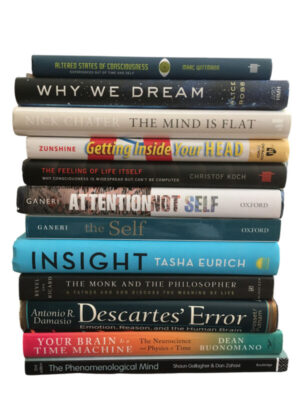
20 Kindle Books for $2 Each – thru 12/31
December 24, 2012
20 Kindle Books for $2 Each – thru 12/31 amazon.com/gp/feature.htm… via @amazon
— Debbie A Foster (@mymindonbooks) December 24, 2012
books on the mind, consciousness, cognitive science…
December 24, 2012
20 Kindle Books for $2 Each – thru 12/31 amazon.com/gp/feature.htm… via @amazon
— Debbie A Foster (@mymindonbooks) December 24, 2012
December 22, 2012
Amazon.com: Kindle Deals – save up to 88% on more than 500 Kindle books… amazon.com/gp/feature.htm… via @amazon
— Debbie A Foster (@mymindonbooks) December 22, 2012
December 12, 2012
$2.99 kindle ebook: The Science of Optimism: Why We’re Hard-Wired for Hope by Tali Sharot (TED book) amazon.com/gp/product/B00… via @amazon
— Debbie A Foster (@mymindonbooks) December 13, 2012
December 8, 2012
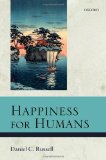
Happiness for Humans by Daniel C. Russell (Oxford University Press, USA, 2012)
Book description from the publisher:
In Happiness for Humans, Daniel C. Russell takes a fresh look at happiness from a practical perspective: the perspective of someone trying to solve the wonderful problem of how to give himself a good life. From this perspective, “happiness” is the name of a solution to that problem for practical deliberation. Russell’s approach to happiness falls within a tradition that reaches back to ancient Greek and Roman philosophers–a tradition now called “eudaimonism.” Beginning with Aristotle’s seminal discussion of the role of happiness in practical reasoning, Russell asks what sort of good happiness would have to be in order to play the role in our practical economies that it actually does play. Looking at happiness from this perspective, Russell argues that happiness is a life of activity, with three main features: it is acting for the sake of ends we can live for, and living for them wisely; it is fulfilling for us, both as humans and as unique individuals; and it is inextricable from our connections with the particular persons, pursuits, and places that make us who we are. By returning to this ancient perspective on happiness, Russell finds new directions for contemporary thought about the good lives we want for ourselves.
Google Books preview:
See also: Author’s website
November 28, 2012
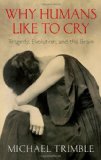
Why Humans Like to Cry: The Evolutionary Origins of Tragedy by Michael Trimble (Oxford University Press, USA, 2012)
Book description from the publisher:
Human beings are the only species who cry for emotional reasons. We weep at tragedies both in our own lives and in the lives of others–remarkably, we even cry over fictional characters in film, opera, novels, and theatre. But why is weeping unique to humanity? What is different about the structure of our brains that sets us apart from all other animals? When on our evolutionary journey did we first recognize the tragedy of life? When did our early ancestors first cry?
In this fascinating volume, neurologist Michael Trimble offers a wide-ranging discussion of emotional crying, looking at its physiology as well as its evolutionary past. To shed light on why crying is uniquely human, Trimble offers an insightful account of the neuroanatomy of the human brain, highlighting differences from those of other primates, especially with regards to the representation of emotion and the circuitry related to the release of tears. He also looks at the epidemiology of crying (who cries, where, and when) and he discusses why people often feel good after crying and why we have developed art forms–most powerfully, music–that move us to tears. Throughout, Trimble weaves a discussion of Nietzsche’s Birth of Tragedy, exploring the origin of Tragedy as an art form, and using the images of Apollo and Dionysus as representative of biological and cognitive forces which are integral to the behavior and thinking of mankind. Finally, Trimble reveals that our emotional responses to tragedy–and crying for emotional reasons–have evolved over several millions of years.
The insights found here shed much light on an enigmatic part of our humanity. The book offers a profound glimpse into the human heart as well as deep insight into the role of art in our emotional lives.